



A rink-side layering guide for hockey moms, dads and everyone else freezing in the stands.
There are cold-weather places in New Hampshire that don't involve a summit.
Some of them have fluorescent lights, a Zamboni and a snack bar.
If you've spent a season at a rink, you know the drill. It's 6:15 on a Saturday, the kid who swore they were awake is asleep against the window, and you're carrying a coffee and a hockey bag that somehow gets heavier every year.
Then you walk inside, into a building whose whole job is keeping a sheet of ice frozen, and remember what you signed up for.
How cold is a hockey rink, really?
Most indoor hockey rinks are kept between 40 and 60°F for spectators, while the ice surface stays in the mid-20s. Sitting still for a two-hour game feels colder still, especially near the ice or on a metal bench.
Spend any time around hockey parents and the advice starts to sound familiar: warm socks, a hat, gloves, hand warmers, something hot to drink.
Somebody always has a seat cushion (Somebody always wishes they'd brought one).
What people get wrong is that you're not really dressing for the rink. You're dressing for the 30-degree parking lot, then the 50-degree rink, then the lobby that's somehow 75, then the walk back to the car, then the diner.
On a tournament weekend you may run that loop three or four times. One big coat can’t cover all of it. Layers can. And sometimes the weekend doesn’t stop at the rink. Tournaments in places like Lake Placid or Jay Peak can put skiing right outside the arena, which makes a versatile layer even more useful. Wear it in the stands, throw a shell over it for a few runs, and pack a little lighter.
That's the same challenge we design for in the mountains,changing temperatures, changing effort, and clothing that has to keep up. Cold trailhead. Windy summit. Warm car on the drive home.
The rink is that problem in a different building. It’s also why technical fleece and active insulation make sense here. They give you lightweight warmth while you’re sitting, then breathe better when you get up to haul the bag, walk the concourse, or move between rink, lobby and car. Warm without the weight of a winter coat. Easy enough to keep on all day.
What to wear to a cold rink.
It's pretty simple, really.
It should be warm without being huge, comfortable to sit in for a few hours, easy to layer, and look good enough to keep wearing after the game.
We have three suggestions, depending on how cold you run.
Highlander
The everyday one. A warm, breathable technical fleece made with USA-made Cyberknit fabric, built to move between the trail and regular life, which turns out to describe a hockey weekend pretty well. Wear it alone at a mild practice. Put a shell over it at a cold one. Keep it on for breakfast after.
Best for: practices, tournament weekends and anyone who wants one layer they can wear all day.
Hearthside
For the rink everyone warns you about. A high-loft technical fleece that holds a lot of warmth for its weight, with fabric knitted in Hudson and sewn in Lincoln and Gorham. Less about technical performance, more about being comfortable when you're not moving much, which at a hockey game is most of the time.
Best for: cold rinks, long sits and the first person reaching for the blanket.
Alpha 120
The lighter, more technical pick. Our warmest Alpha Direct, it gives you warmth without the bulk of a heavy fleece and layers easily under a shell. It's also built to breathe, so in a drafty rink or out in the wind, pair it with something that blocks air.
Best for: people who prefer lighter layers and want something that works just as well outside the rink.
Not just for moms
"Hockey mom hoodie" is a category for a reason. But the cold doesn't care who drove.
The dads nursing gas-station coffee are cold. The grandparents who came to watch six shifts are cold. The sibling who was promised this would be quick is definitely cold.
Eventually, everybody in the building lands on some version of the same system: layers, warm feet, something between you and the bleachers, and coffee. Nobody's found a more glamorous solution.
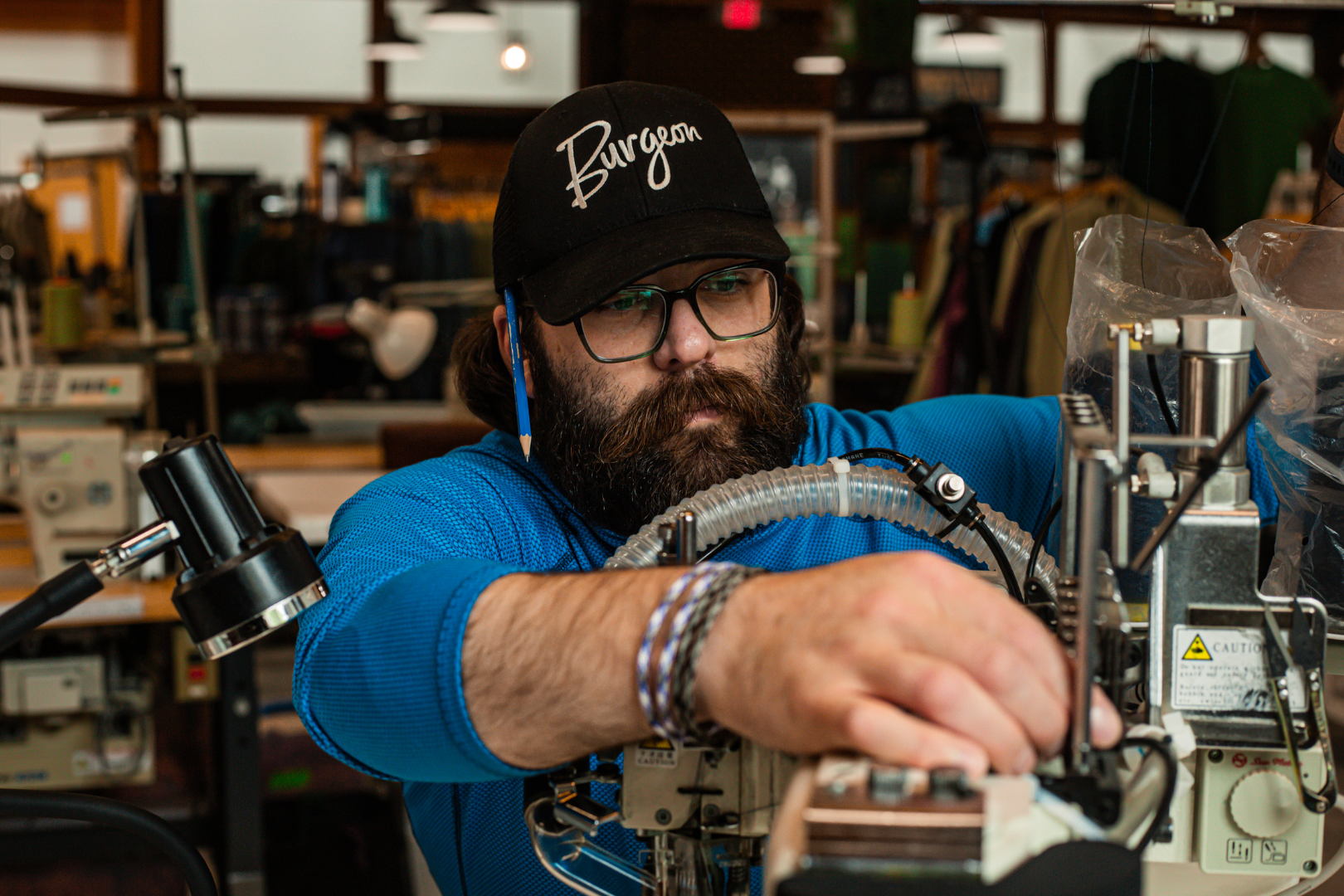
We make our clothes in the White Mountains, so most of what we talk about is trails, ski days and weather that turns faster than expected. But a good layer shouldn't quit at the trailhead. If the thing you wore hiking on Saturday also gets you through Sunday's 7 a.m. practice, that's a pretty good use of a hoodie.
See you at the rink.
Shop Highlander · Shop Hearthside · Shop Alpha

