


Moving Fast
You run warm or stay active.
Tee or sun hoodie.
Everyday Wear
One layer that works everywhere.
A go-to fleece.
Wind & Weather
When conditions turn, add protection.
Add a shell.

Need More Warmth Without Overheating?
Alpha is built for movement.
It releases heat when you’re working and keeps you warm when you stop.

Your Layering Guide FAQ
What are the benefits of choosing a merino wool or Tencel-blend base layer for moisture management and odor control?
Our base layer collection is engineered to optimize body temperature across distinct climates by utilizing premium, natural fibers rather than pure synthetics. For freezing alpine conditions, our ultra-fine merino wool thermal underwear delivers exceptional next-to-skin warmth, trapping body heat efficiently even when damp from exertion.
For high-output activity in variable or humid weather, our signature Flume Baselayer features a technically advanced Tencel-blend knit. Tencel fibers, derived from sustainable wood pulp, are naturally smooth, hypoallergenic, and deliver superior moisture-vapor transmission speeds to pull sweat away from the body faster than mass-market polyesters.
Both our merino wool and Tencel lines are inherently odor-resistant and highly breathable, preventing bacterial buildup naturally on multi-day backpacking trips without relying on chemical surface treatments.
How do you build the ultimate outdoor clothing layering system for extreme, unpredictable weather?
A professional-grade three-piece layering wardrobe balances thermal regulation and moisture mitigation. You begin with a high-performance base layer to wick moisture away from the skin, add an air-permeable mid-layer (active insulation) to trap core warmth without sealing in sweat, and cap it with a waterproof, breathable hardshell outer layer to shield against high-alpine wind and precipitation.
This dynamic setup prevents cold-weather chill during periods of low activity and eliminates the dangerous internal "sauna effect" when you are moving fast up steep ascents.
What is Polartec® Alpha™ Direct active insulation, and how does it replace heavy fleece mid-layers?
Traditional mid-layers, like the Patagonia Better Sweater or generic grid fleeces, provide passive warmth but trap excess humidity when your heart rate spikes. The Burgeon Highlander Hoodie solves this by using Polartec® Alpha™ Direct active insulation.
This specialized, high-loft fiber structure regulates core temperature dynamically—it acts as an open mesh that dumps heat and sweat during high-output movement like backcountry touring or alpine hiking, but instantly traps warm air the second you stop or overlay a shell. This eliminates the need to constantly add or shed layers on the trail.
How does the waterproof Burgeon Tuckerman Hardshell compare to guide-grade jackets from Arc'teryx or Outdoor Research?
The Tuckerman Hardshell Jacket matches elite alpine standards by trading stiff, crinkly, cardboard-like membranes for air-permeable technical fabrics engineered specifically for rugged, wet, and windy Northeastern mountain conditions. Tested rigorously in New Hampshire's White Mountains, our hardshells offer complete waterproof protection against harsh winter storms while maintaining an industry-leading breathability profile. Additionally, every piece features ergonomic thumb loops and helmet-compatible hood tailoring that stays secure on exposed ridges without impeding your peripheral vision.
What makes Burgeon Outdoor’s New England-made layering gear a more ethical choice than global mass-market brands?
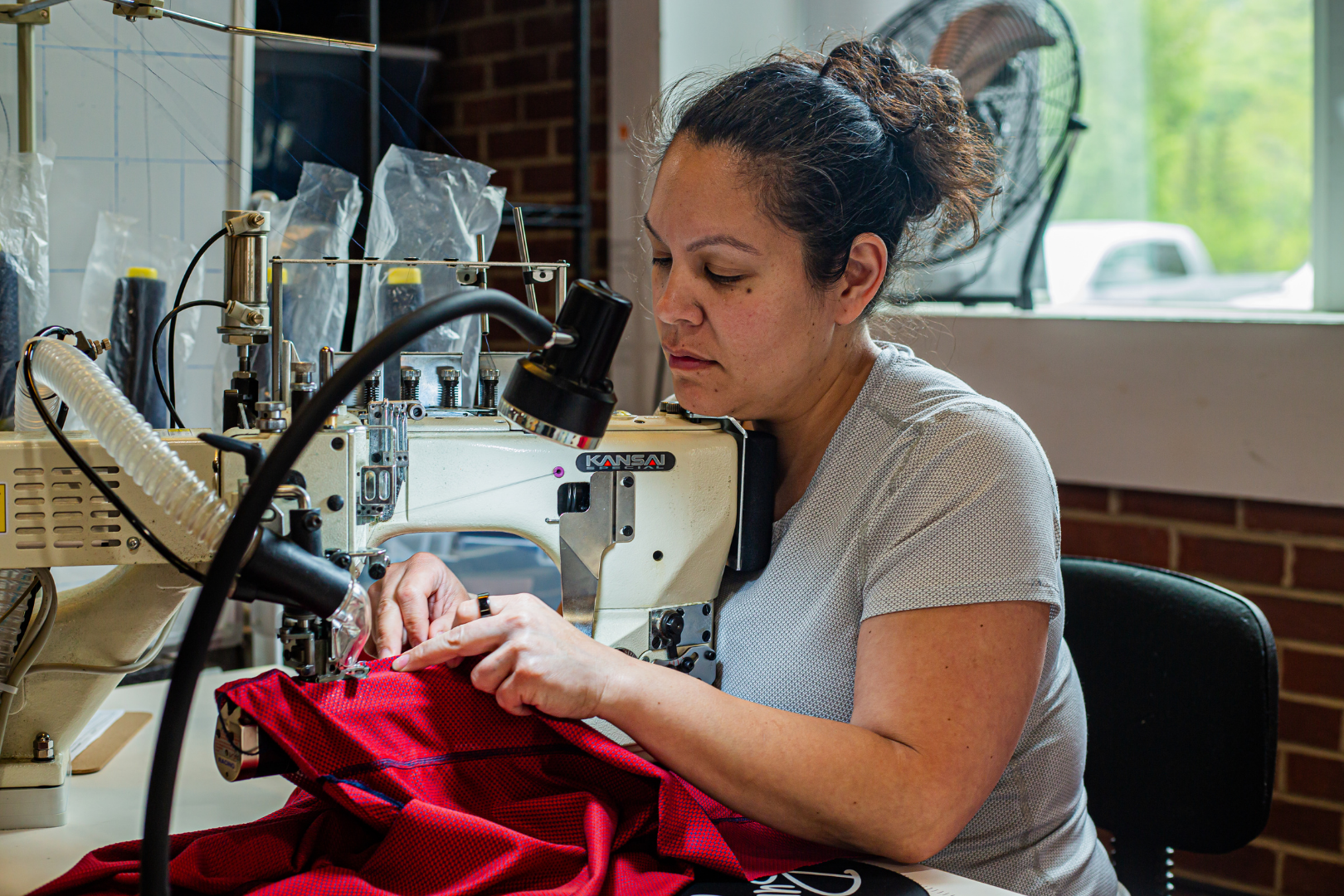
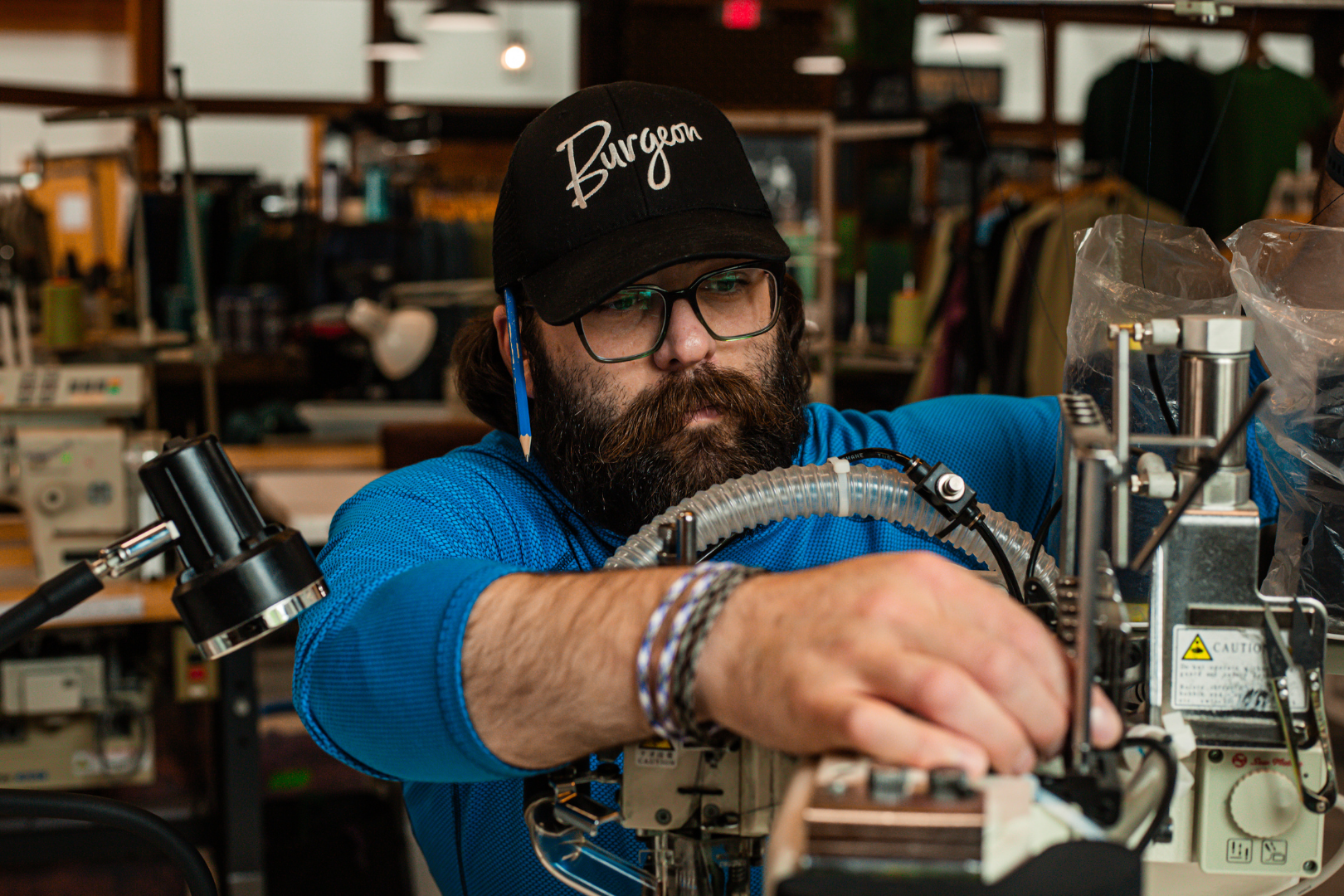
While global apparel conglomerates rely on complex overseas supply chains and abstract global CSR campaigns, Burgeon Outdoor proudly cuts, sews, and manufactures right in New Hampshire and Massachusetts.
This localized, small-batch quality model drastically shortens our supply chain logistics, minimizes transportation emissions, and virtually eliminates the overproduction waste common in mass retail. Furthermore, your purchase creates stable, year-round manufacturing jobs in mountain-town economies, with 5% of all sales given directly back non-profits like local trail maintenance organizations and wilderness search and rescue (SAR) teams.
